The modern world has created a strange contradiction. Humans today are more digitally connected, stimulated, and “available” than ever before — yet physically exhausted, mentally overloaded, and emotionally depleted.
What many people experience today is not just stress. It is a growing physical and mental relaxation deficit — a condition where the body rarely enters true recovery mode even during weekends, vacations, or sleep.
According to global workplace studies, nearly 83% of employees actively struggle with burnout. The World Health Organization estimates that more than 1 billion people live with mental health disorders globally, while anxiety and depression continue to be among the leading causes of long-term disability.
But the deeper issue is physiological.
The human nervous system was designed to alternate between activity and recovery — between “fight or flight” and “rest and digest.” Today, endless notifications, work pressure, overstimulation, screen exposure, traffic, poor sleep cycles, and constant cognitive load keep the body trapped in a prolonged stress-response state.
As a result, many people experience what wellness experts often describe as being “wired but tired.”
The body remains alert even while exhausted. Sleep becomes lighter. Muscles hold chronic tension. Digestion weakens. Mental clarity drops. Emotional regulation becomes harder. The brain rarely gets the uninterrupted quiet it needs to recover deeply.
Even modern vacations often fail to restore the body. Packed itineraries, overstimulation, irregular food habits, alcohol, social media consumption, and travel fatigue frequently leave people returning more exhausted than when they left.
This is one reason wellness retreats are increasingly becoming less of a luxury and more of a recovery necessity.
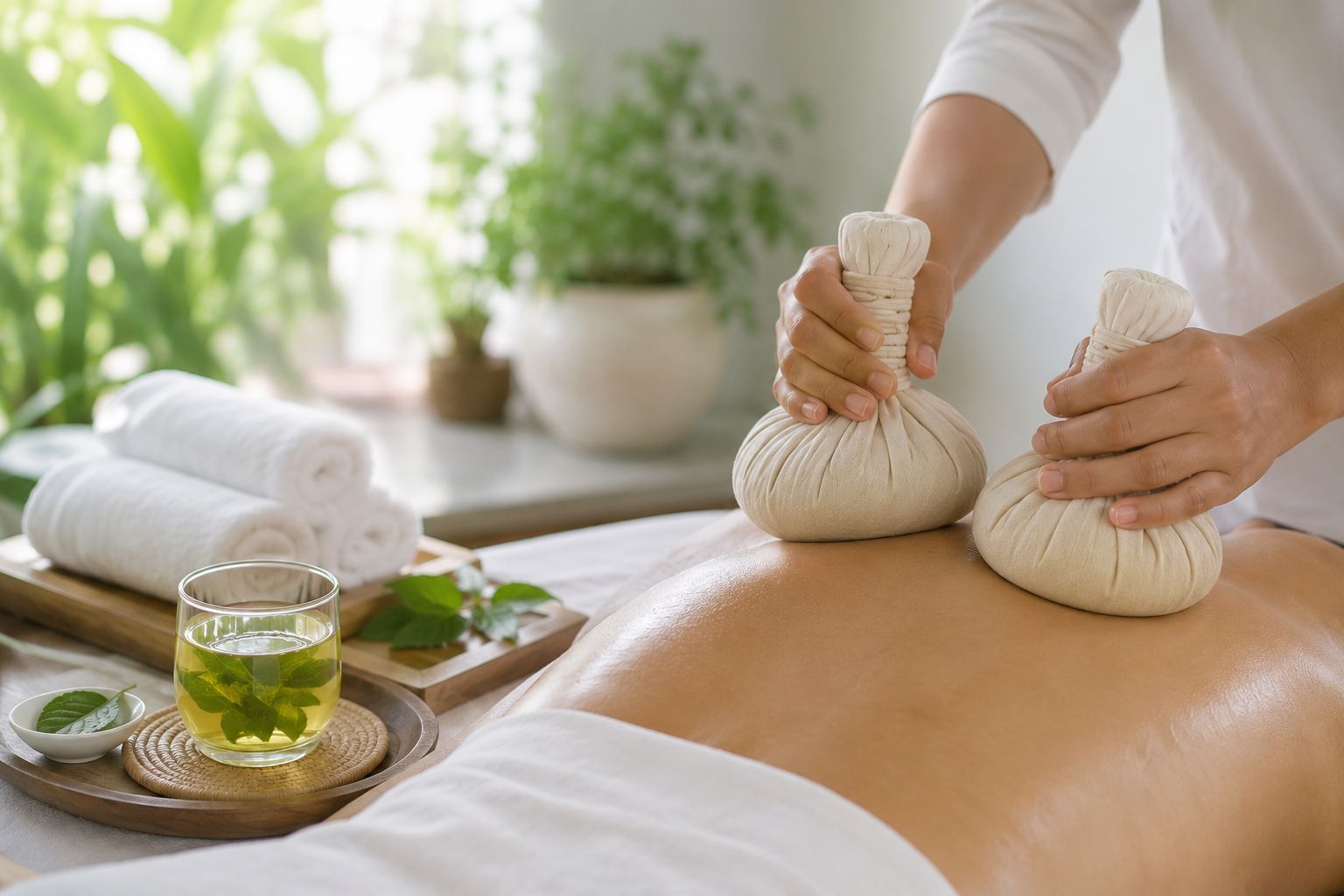
At Ctrl Alt Heal Sparsh Integrated Wellness Center within Pragati Resorts, the focus is not simply relaxation in the commercial spa sense, but helping the body gradually slow down through guided therapies, quieter natural surroundings, mindful routines, nutrition, movement practices, and restorative wellness approaches.
Many guests describe the experience not as indulgence, but as finally feeling rested properly.
One couple shared:
“We were pampered like babies... I don't remember the last time I had such amazing sleep... Physically, even mentally we are very relaxed. We are not having a stimulation to get back to work.”
Another family review reflected on how the therapies were “very well designed and delivered with great care,” adding that “you can really feel the difference after the sessions.”
Perhaps that is what modern wellness is increasingly becoming about — not escape, but helping the mind and body remember how to recover again.