We teach children mathematics, languages, music and sport. We celebrate achievement, resilience and discipline. Yet one of the most important life skills rarely appears in a curriculum: how to recognise stress, regulate emotions, care for the body and recover from fatigue.
The habits that shape lifelong health begin surprisingly early. Sleep patterns, food preferences, movement, emotional regulation and even the way the nervous system responds to stress are all influenced during childhood. Cultivating these behaviours early isn't simply about preventing illness—it's about building resilience.
This is where holistic wellness offers a different perspective.
Ayurveda begins with prevention, not treatment.
One of Ayurveda's most enduring principles is that health is easier to preserve than restore. Rather than waiting for imbalance to appear, it encourages daily practices that support healthy growth, digestion, sleep and emotional wellbeing.
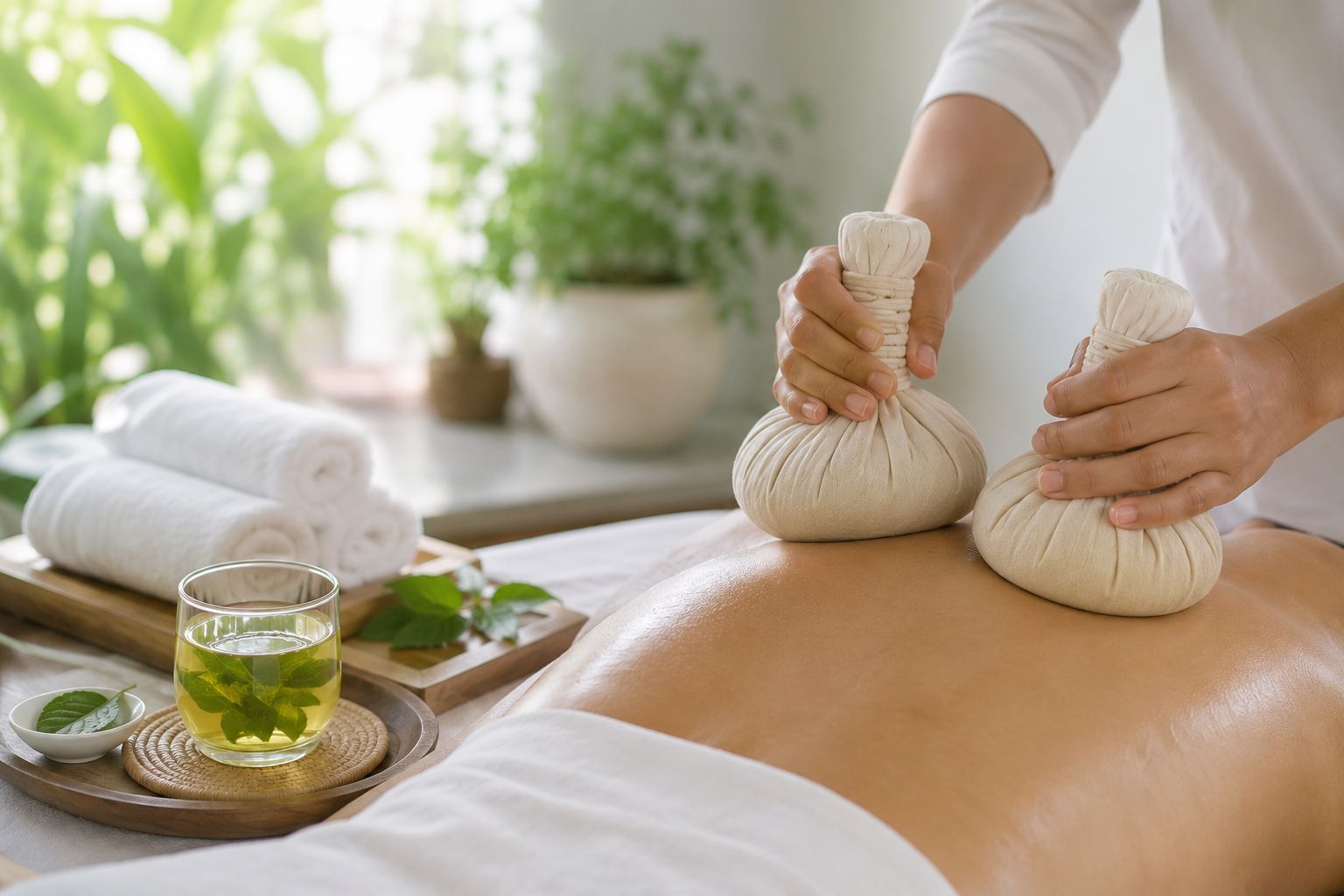
For children, that rarely means intensive therapies. Instead, the emphasis is on simple, restorative practices such as Abhyanga (gentle warm oil massage), age-appropriate yoga, breathing exercises, regular routines, nourishing seasonal foods and adequate time outdoors. These seemingly ordinary rituals support healthy development while helping children become more aware of their own bodies.
Growing up in a constantly stimulated world
Today's children navigate a world very different from previous generations. Academic demands begin earlier. Screen exposure is longer. Unstructured outdoor play is often replaced by organised schedules. Even downtime has become digital.
Periods of intentional slowing down allow the nervous system to recover. Nature walks, mindful movement, creative play, quiet reflection and meaningful family interactions are not simply leisure activities—they help develop attention, emotional regulation and healthy sleep patterns that extend well beyond childhood.
Wellness is learned through experience.
Children rarely adopt healthy habits because they're instructed to. They learn by participating.
Preparing wholesome meals together. Walking barefoot on grass. Practising simple breathing exercises before bedtime. Enjoying a family yoga session. Experiencing gentle Ayurvedic therapies under the guidance of qualified practitioners. These moments teach that caring for the body isn't something we begin after burnout—it is part of everyday life.
In many ways, a wellness weekend becomes less about taking a break and more about practising a way of living that children can carry into adulthood.
Because perhaps the greatest gift we can offer the next generation isn't another achievement.
It's the ability to recognise what feeling well truly feels like—and to know how to return to it.